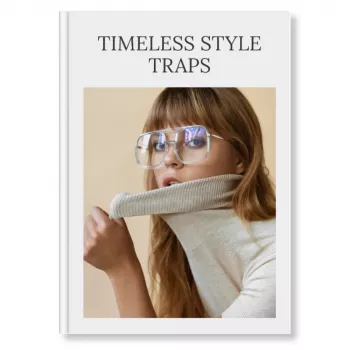
Truly timeless style rarely comes from chasing trends—it comes from removing the repeat offenders that make outfits look “off,” no matter the budget or age. A modern, flattering look is usually less about buying more and more about editing: better proportions, cleaner fit, sharper fabric choices, and details that look intentional. Use the guide below to spot universal style traps and swap them for simple fixes that make everything in your closet work harder.
Timeless style isn’t a specific decade, a strict capsule wardrobe, or a closet full of basics. It’s consistency in proportion, fit, and finish—so your outfit reads polished whether you’re wearing denim or a dress. Trends can absolutely be included, but they work best as accents layered onto a foundation that still feels current and deliberate.
Most long-term style regrets come from a short list of repeat mistakes: the wrong scale, poor fit, mismatched formality, and overlooked grooming details. A timeless outfit also reads “clear”—there’s one focal point (a coat, shoe, lipstick, bag, print), and everything else supports it rather than competing for attention.
For a grounded, craft-based view of fashion as an industry (and why quality and construction matter), the Council of Fashion Designers of America (CFDA) is a useful reference point.
Two long pieces at once (tunic + long cardigan) or two bulky pieces (oversized sweater + wide-leg pants) can erase shape. The fix is balance: define one area (waist, wrist, ankle) or add structure (a cropped jacket, a tuck, a belt).
It’s easy to stick with the shape that once felt “safe,” even when lifestyle or body changes call for small updates. A tiny shift—like a straighter leg jean, a slightly shorter jacket, or a cleaner neckline—often modernizes the whole outfit without changing your vibe.
Low-rise can cut the torso and shorten the leg line; overly tight waistbands create visible “spill”; gaping backs distort the silhouette. Look for a rise that lets your top and bottom meet smoothly (no constant tugging) and a waistband that lies flat when you sit and move.
Multiple loud prints, heavy hardware, and several “main characters” at once make the eye ping-pong. If you want impact, pick one standout and keep everything else clean and cohesive.
Accessories should add intention—structure, polish, a focal point—not visual noise. If you’re stacking because the outfit feels unfinished, the real fix is often better fit, a stronger shoe, or a more refined fabric.
Shoulder fit is the fastest “tell.” If the seam drops too far or sits too high, the garment looks sloppy even if the rest technically fits. When in doubt, size for the shoulder and tailor the rest.
Color also plays a role in timelessness. For guidance on how color families work together (and why certain combinations feel modern), the Pantone Color Institute is a helpful authority on color direction and harmony.
| Style trap | Why it dates the look | Fast fix |
|---|---|---|
| All-over volume | Silhouette loses shape and looks heavy | Define one area: half-tuck, belt, cropped jacket, or slimmer bottom |
| Shiny or thin fabric | Highlights underlayers and reads inexpensive | Swap to matte, lined, or structured fabric; add a smoothing layer |
| Too many statements | Eye has nowhere to rest | Keep one statement; make the rest simple and cohesive |
| Wrong hem lengths | Cuts the body in awkward places | Hem to ankle bone for trousers; aim skirts at flattering mid-calf or just above knee |
| Mismatched formality | Outfit feels accidental | Add a “bridge”: denim jacket, simple blazer, clean sneaker, or structured bag |
If you want a structured way to spot what’s dating your outfits—and fix it without a full wardrobe overhaul—the Timeless Style Traps digital download breaks the process into practical steps you can reuse during closet edits, shopping decisions, and outfit planning.
To keep your style upgrades consistent (especially if you’re building new habits like tailoring, shoe care, or planned shopping lists), the Goal-Setting Guide for Real Results can help turn “I want to dress better” into a simple weekly system you’ll actually follow.
The biggest repeat offenders are proportion imbalance, poor fit (especially at the shoulders and waist), shiny or flimsy fabrics, mismatched formality between pieces, and too many competing statement items. Quick fixes include defining one area of the silhouette, hemming for clean lengths, choosing matte/structured fabrics, and letting one focal point lead the look.
Keep the foundation current through clean lines, intentional proportions, and polished details like shoes and grooming. Add modernity with small updates—an updated shoe shape, a fresh color accent, or a more structured bag—without changing your personal aesthetic.
Yes—because many “style traps” are universal regardless of whether your style is classic, edgy, romantic, or minimalist. A good guide helps diagnose what’s visually throwing an outfit off and then offers fixes you can apply in a way that still feels like you.








Leave a comment